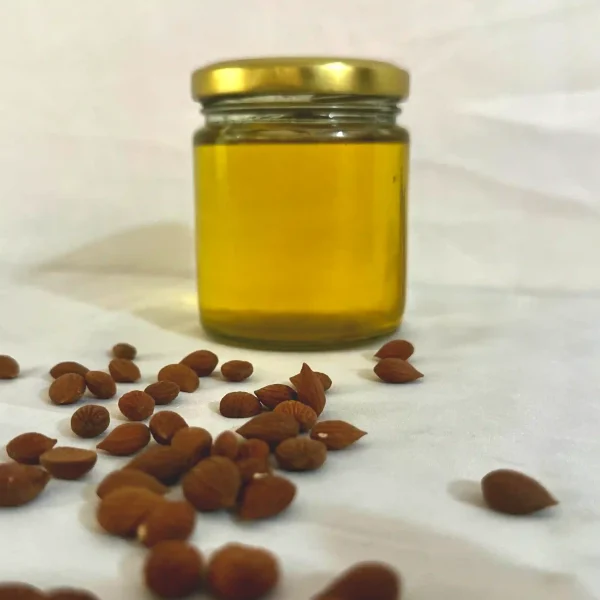
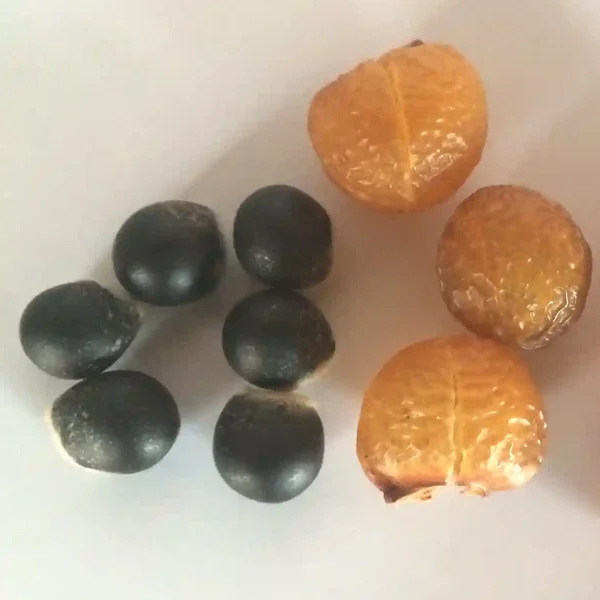

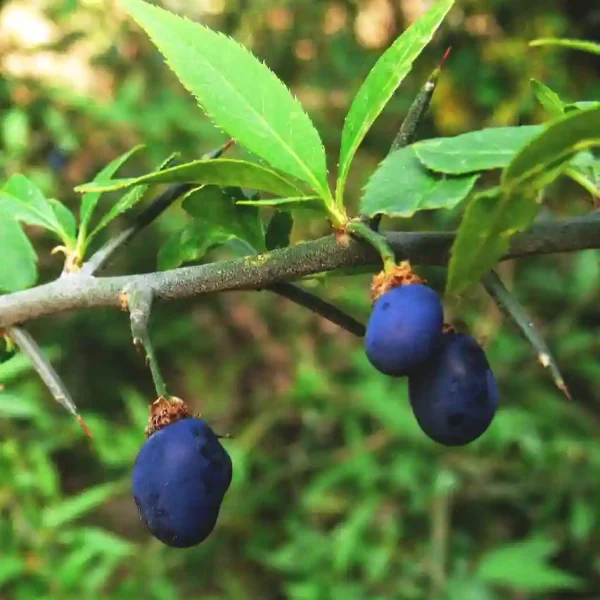
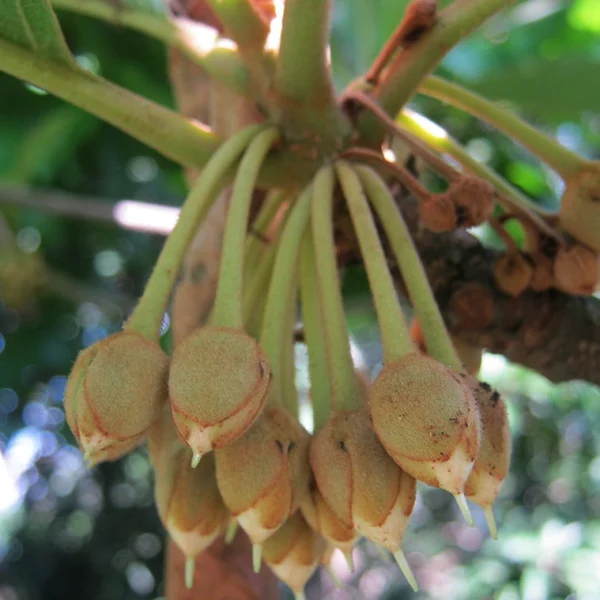
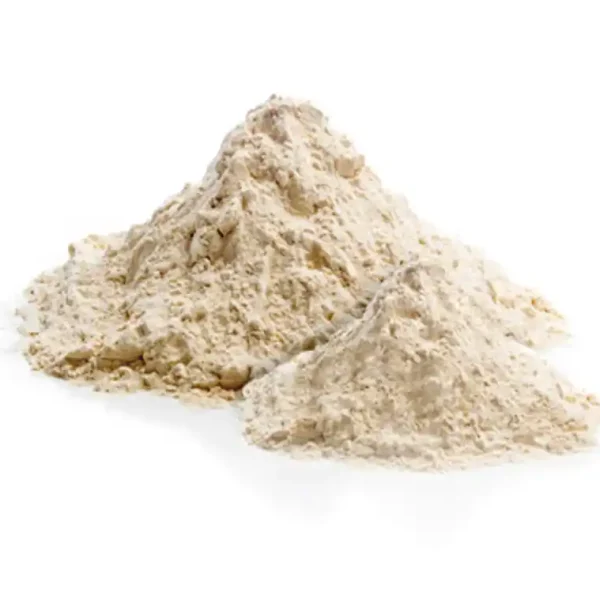
Bitter Apricot Oil is a vegan oil derived from the kernels of bitter apricot fruit. The kernels are rich in naturally occurring lipids, especially oleic and linoleic acids, which provide the oil with a light texture and moisturizing characteristics.
It is utilized in cosmetic and personal care formulations, especially in products intended for skin and hair conditioning. The fatty acid content makes it excellent for use in massage oils, creams, lotions and hair care products.
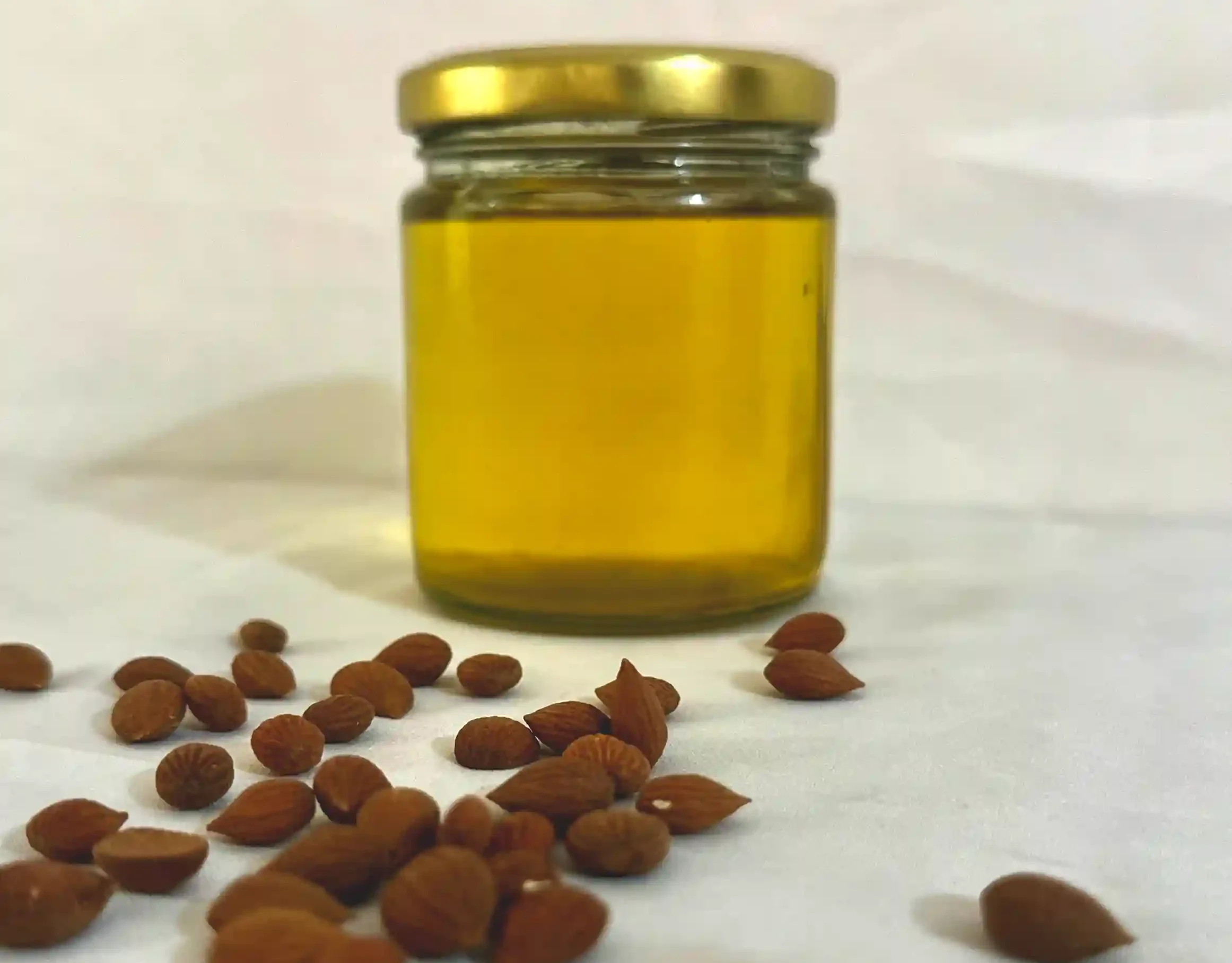
It is wrong, however, to confuse bitter apricot oil with sweet apricot kernel oil without more ado. Its safety is dependent on the kernel source, processing method and removal or control of potentially dangerous cyanogenic chemicals.
Nutritional Properties of Bitter Apricot Oil :
Bitter Apricot Oil is primarily composed of fats and contains different fatty acids that contribute to its cosmetic properties.
| Nutritional component | Description |
|---|---|
| Oleic Acid | A monounsaturated fatty acid that contributes to the oil’s conditioning properties |
| Linoleic Acid | An essential polyunsaturated fatty acid involved in maintaining the skin barrier |
| Palmitic Acid | A saturated fatty acid naturally present in the oil |
| Stearic Acid | A saturated fatty acid that contributes to its overall lipid composition |
| Vitamin E | May be present in the form of naturally occurring tocopherols |
The exact fatty acid profile and nutritional composition can vary depending on the apricot variety, growing conditions, kernel quality, and extraction process. For commercial use, laboratory analysis is recommended to establish the actual composition.
Bitter Apricot Oil Benefits :
Its key points of significance are the fatty acid content of Bitter Apricot Oil and its potential uses in cosmetic compositions.
Prepares the Skin
It contains natural fatty acids, which soften skin and alleviate dryness. This makes it beneficial in body oils, lotions and moisturizing creams.
Aids Skin Moisture Retention
It is an emollient oil which creates a light barrier on the surface of the skin to prevent loss of moisture. It can be added to formulas for dry skin.
Softens skin
The mild texture of the oil makes it perfect for skincare products that want to leave the skin feeling smooth and conditioned.
Promotes Hair Conditioning
Bitter Apricot Oil is used in hair care formulas to treat damaged hair and enhance smoothness and manageability.
Supplies Fatty Acids for Cosmetic Formulations
Its presence of oleic and linoleic acids makes it a useful botanical ingredient for development of various personal care products.
Helps in formulation of skin care products
Depending on its quality and composition, the oil can be added to massage oils, body creams, lotions and other cosmetic preparations.
Common Uses of Bitter Apricot Kernel Oil :
Bitter Apricot Oil is utilized in multiple aspects of personal care and cosmetic fabrication.
Skin Care Products
The skin conditioning characteristics make it ideal for use in moisturizers, face oils, body lotions and massage oils.
Haircare products
This oil can be incorporated in hair conditioners, hair masks and nourishing hair oils for better smoothness and manageability.
Oils for Massage
It has a silky texture and is used in massage oil blends and body care treatments.
Cosmetic Compositions
Cosmetic producers can use it in creams, lotions, balms and other oil-based compositions, as long as the ingredient meets the required safety criteria.
Soap and Personal Care Products
It may also be explored for some soap and personal care applications, depending on the quality and compatibility of formulation.
How to Use Apricot Bitter Oil :
The appropriate use of Bitter Apricot Oil depends on its intended application and verified product specifications.
For skincare
Use a cosmetic-grade oil proved safe for topical use.
For hair care
It can be used in hair oils, conditioners and treatment formulas.
For massage
Once its safety has been established, it may be combined with other appropriate carrier oils.
For cosmetic manufacturing
Follow the prescribed formulation percent and manufacturer guidelines.
Always check the intended usage of the product before applying it directly to skin or using it in a formulation.
Safety Warnings and Tips :
Safety is especially vital while working with bitter apricot kernels and their oil. Bitter apricot kernels contain amygdalin, which can emit hydrogen cyanide under certain conditions. Therefore, one should not presume that bitter apricot products are safe for eating or topical application simply because they are natural.
Take the following precautions :
Do not eat unverified consumption
Do not consume bitter apricot oil unless it has undergone specialized processing, testing and approval for food usage under applicable legislation.
Cyanogenic chemicals
Verify that the oil has proper testing and documentation for residual cyanogenic substances as needed.
Buy Verified Quality
Purchase oil from vendors who can tell you where it came from and how it was extracted and the safety criteria.
Patch test
A patch test should be conducted before using products that have been verified to be safe for topical use on a wider scale.
Store properly
Store the oil in a firmly sealed container, away from direct sunlight, heat and moisture.
Don’t get confused with sweet apricot oil
The two oils may have distinct safety considerations and should not be considered as same ingredients.
Bitter Apricot Oil in Nepal :
The varied climate of Nepal allows numerous varieties of apricot to be grown, especially at temperate and higher altitudes. In some regions of the Himalayan region there are apricot trees . The fruits are valued for their edible portions and traditional applications .
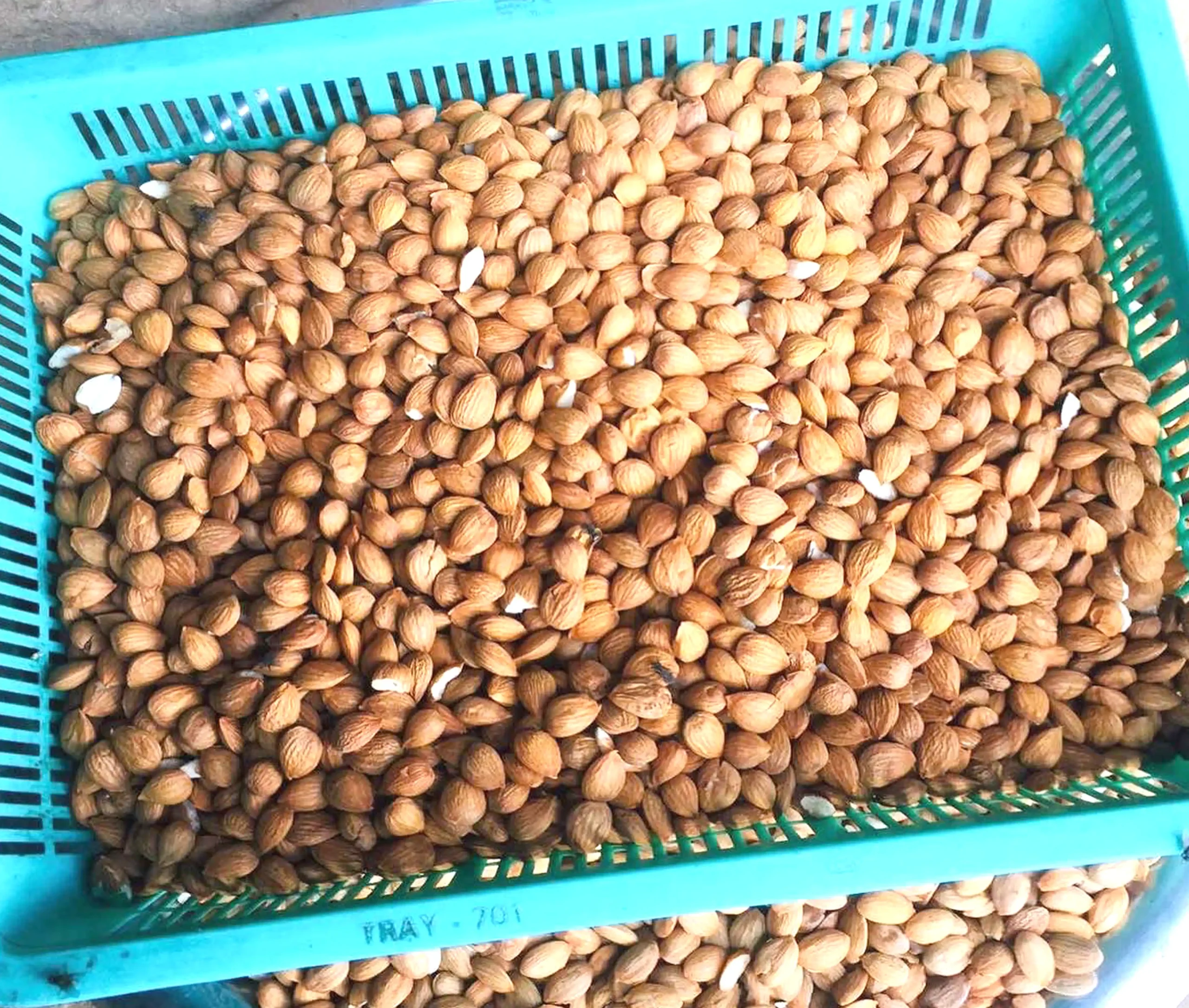
The kernels remaining after processing the fruit can also be regarded as a possible source of oil-bearing raw material. However, its use for commercial oil production depends on the quality of the kernel, availability, extraction processes, and safety tests.
When analyzing the oil for cosmetic applications, the ingredient maker and buyer will look at the origin, the processing conditions and the chemical makeup of Bitter Apricot Oil.
How to Choose the Right Bitter Apricot Kernel Oil :
When choosing Bitter Apricot Oil for cosmetic or manufacturing use, the following factors should be considered:
Botanical identity
Verify that the oil comes from the correct bitter apricot species and kernel origin.
Extraction method
Know whether the oil is cold pressed or is extracted by any other process.
Fatty acid profile
Look at the levels of oleic acid, linoleic acid and other fatty acids.
Good documentation
Ask for certifications of analysis and technical specifications related to the product.
Safety Testing
Consider tests for cyanogenic chemicals and other related pollutants.
Packaging
Use appropriate, tightly sealed packaging to protect the oil from light, heat and oxidation.
Conclusion :
Bitter Apricot Oil is a botanical oil with potential applications in skincare, hair care, and cosmetic manufacturing. Its fatty acid composition makes it useful as a conditioning ingredient in different personal care formulations. However, because bitter apricot kernels may contain naturally occurring cyanogenic compounds, proper processing, testing, and safety verification are essential. Understanding these factors helps manufacturers and buyers make informed decisions when sourcing and using Bitter Apricot Oil.
About National Organics
National Organics is dedicated to bringing Nepal’s natural botanical resources to global markets. We offer a range of essential oils, carrier oils, herbal extracts, spices, and other plant-based ingredients sourced from Nepal. With a focus on product quality, responsible sourcing, and traceability, we work to connect natural resources and local producers with businesses seeking botanical ingredients for their formulations. Through our website, Himalaya Essentials, we provide buyers with information about our products and sourcing opportunities.