




Specifications

Botanical Name
Berberis aristata

Common Name
Chutro, Daruharidra

Family
Berberidaceae
Part used
root, branches

Extraction Method
Solvent

Origin
Nepal

Distribution
1,000 to 4,600

Type of Production
Wild Crafted

Scope
Conventional
Why Berberine HCL from National Organics?

Purity & Quality !
Berberine HCL powder manufactured under stringent quality control standards to ensure consistency, reliability, and excellence. Each batch is carefully tested for purity and quality, making it suitable for pharmaceutical, nutraceutical, dietary supplement, and research applications.

Scalable Supply & Support !
Flexible bulk options to support your ongoing manufacturing needs from small orders to large quantities. With your growth, our supply grows. But you can be sure that we will always give you steady and reliable support. Our mission is to help you win!

Plant based Ingredient !
Berberine HCL is a plant-based ingredient derived from natural botanical sources. Carefully extracted and refined for purity and consistency, it is ideal for pharmaceutical, nutraceutical, and dietary supplement formulations while maintaining its natural plant-derived origin.
Berberine is a naturally occurring isoquinoline alkaloid found in several plant species, particularly those belonging to the Berberidaceae family. Important botanical sources include Berberis aristata (Nepali Barberry), Berberis vulgaris (European Barberry), and Coptis chinensis (Chinese Goldthread). These plants are traditionally recognised for their use in different herbal preparations.
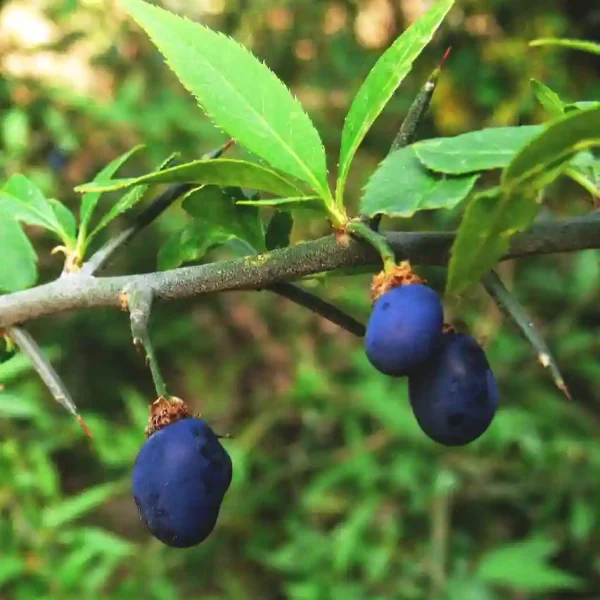
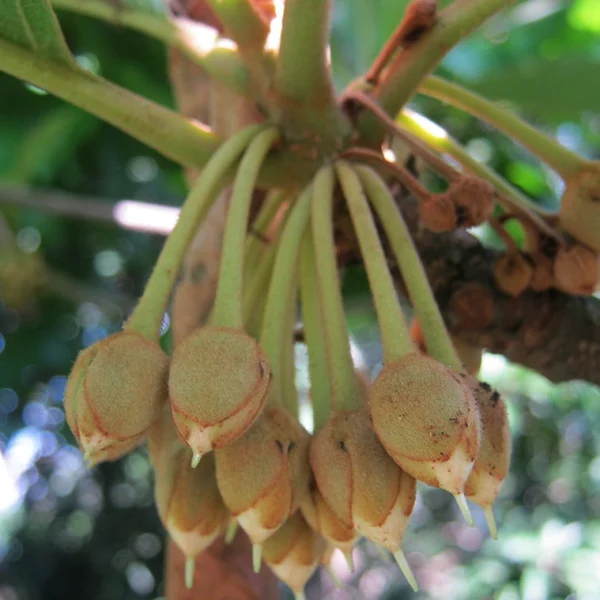
Berberis aristata is a thorny, evergreen shrub native to the Himalayan region, including Nepal and India. It commonly grows in mountainous areas and is recognised by its spiny branches, yellow flowers and small reddish fruits. Its roots and stem bark contain naturally occurring alkaloids, including berberine, which gives the plant material its characteristic yellow colour.
Berberine is extracted from selected botanical materials and further processed to obtain Berberine Hydrochloride (HCL), a purified salt form used in nutraceutical and botanical ingredient formulations.
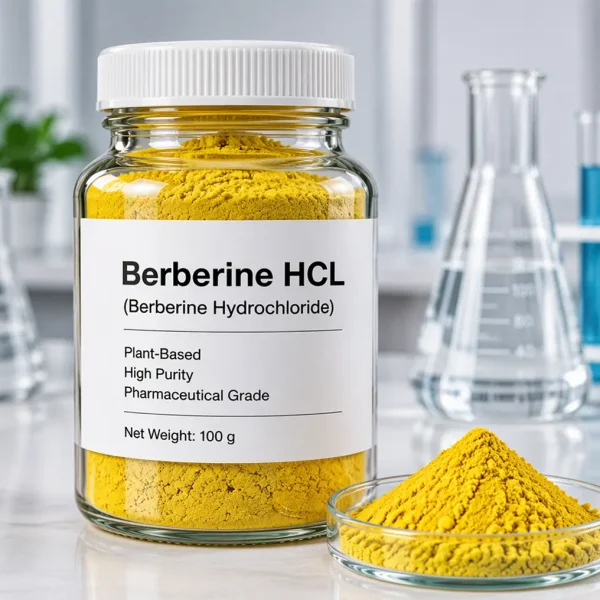
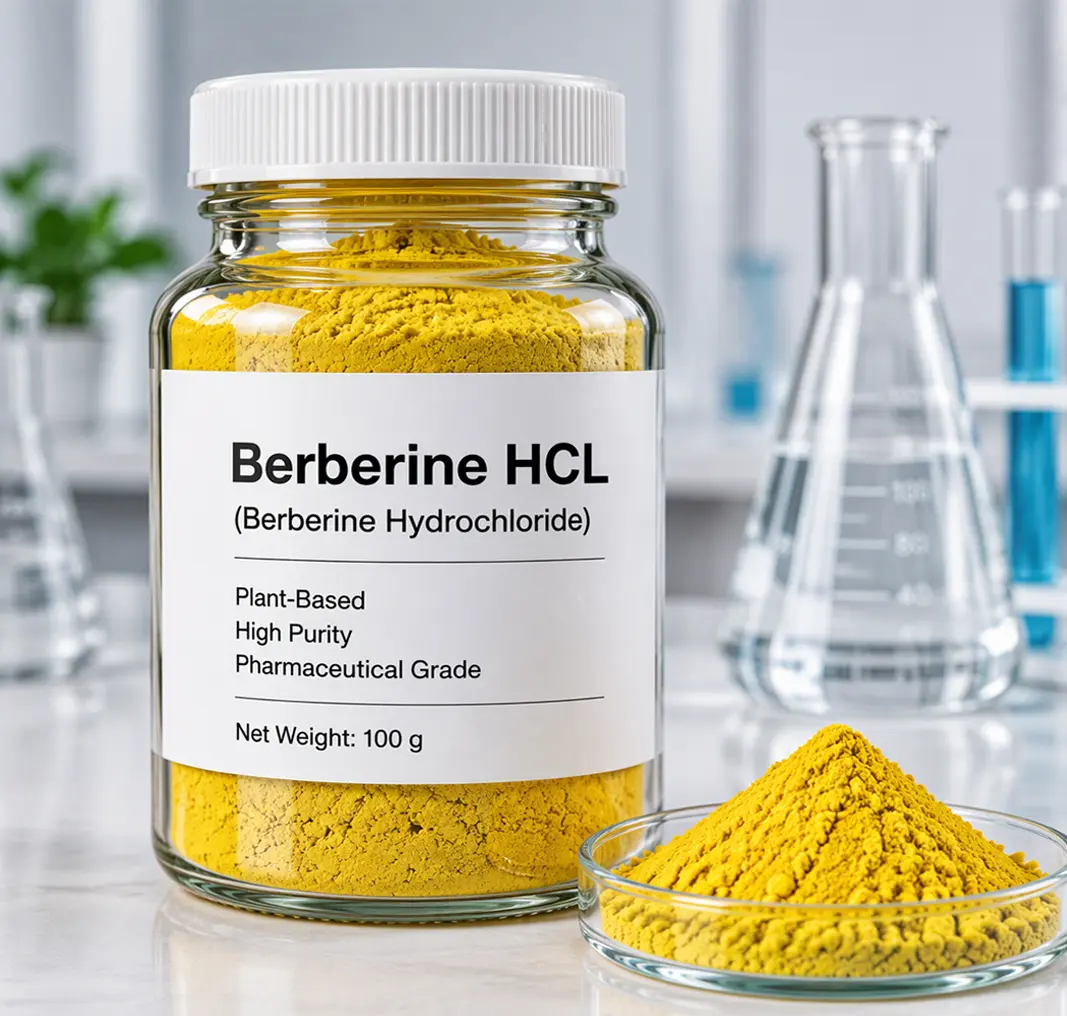
Berberine HCL –Berberine Hydrochloride is a naturally derived, plant-based alkaloid ingredient obtained from berberine-containing botanical sources, including species of Berberis, Coptis and Phellodendron. It belongs to the isoquinoline alkaloid group and is recognised for its characteristic bright yellow colour. Berberine HCL is the hydrochloride salt form of berberine, processed into a purified ingredient suitable for use in various formulations.
Berberine has attracted considerable scientific interest due to its interactions with several biological pathways, particularly those associated with glucose metabolism, lipid metabolism and cellular energy regulation. Researchers have also investigated its antimicrobial and antioxidant activities in laboratory studies. These areas of research have contributed to its growing relevance in the botanical ingredient and nutraceutical industries.
Available as a yellow crystalline powder, Berberine HCl is used primarily in dietary supplement and nutraceutical formulations. Its quality is evaluated through parameters such as botanical or chemical identity, berberine assay, purity, moisture content and contaminant testing. Proper identification, controlled processing and analytical verification are important for maintaining consistency and meeting ingredient specifications.
Berberine HCL – Berberine Hydrochloride Specifications :
| Specification | Details |
|---|---|
| Product Name | Berberine HCL (Berberine Hydrochloride) |
| Main Constituents | Berberine Hydrochloride (≥ 97%–98% purity, depending on grade) |
| Color | Bright Yellow to Yellow Powder |
| CAS No. | 633-65-8 |
| FEMA No. | Not Assigned |
| INCI | Berberine Hydrochloride |
| Aroma Profile | Characteristic, Mild Herbal Odor |
| Specific Gravity | Not Applicable (Powder Form) |
| Refractive Index (25 °C) | Not Applicable (Powder Form) |
| pH | 4.0 – 6.5 (1% Solution) |
| Primary Function | Pharmaceutical, Nutraceutical & Dietary Supplement Ingredient |
| Therapeutic Properties | Antioxidant, Plant-Based Bioactive Compound, Wellness & Nutritional Support Applications |
| Appearance | Fine Free-Flowing Yellow Powder |
| Solubility | Soluble in Water and Alcohol |
| Origin | Plant-Derived (Berberis aristata) |
| Applications | Pharmaceuticals, Nutraceuticals, Dietary Supplements, Research & Formulation Use |
Supports Healthy Blood Glucose Levels
Berberine is widely studied for its involvement in glucose metabolism and blood sugar regulation.
Research evidence: Human clinical trials have reported reductions in fasting blood glucose, post-meal glucose and HbA1c levels following berberine supplementation.
Supports Healthy Cholesterol Levels
Berberine has been researched for its role in lipid metabolism and maintaining a healthy blood lipid profile.
Research evidence: Clinical studies have reported reductions in total cholesterol, LDL cholesterol and triglyceride levels.
Promotes Metabolic Health
Berberine is associated with several metabolic pathways involved in glucose and fat regulation.
Research evidence: Clinical research has reported improvements in fasting insulin and HOMA-IR, a measure used to assess insulin resistance.
Supports Insulin Sensitivity
Berberine has attracted scientific interest for its interaction with pathways involved in insulin signalling and glucose utilisation.
Research evidence: Human studies have reported improvements in certain insulin-resistance markers following berberine supplementation.
Supports Cellular Energy Regulation
Berberine is studied for its interaction with AMP-activated protein kinase (AMPK), an enzyme involved in cellular energy regulation.
Scientific evidence: Laboratory and experimental research has demonstrated berberine’s ability to influence AMPK-related signalling pathways.
Dietary Supplement Formulations
Berberine HCL is used as an ingredient in dietary supplement formulations, particularly products developed around metabolic health and glucose and lipid metabolism.
Nutraceutical Products
It is incorporated into nutraceutical formulations as a plant-derived alkaloid with an established history of scientific investigation and growing commercial interest.
Capsule and Tablet Manufacturing
Its powdered form makes Berberine HCL suitable for incorporation into capsules and tablets, subject to formulation, stability and manufacturing requirements.
Botanical Ingredient Blends
Berberine HCL is used in formulations alongside other botanical ingredients to develop multi-ingredient nutraceutical products.
Pharmaceutical Research
Berberine is used in scientific research investigating alkaloid chemistry, biological activity, cellular signalling and metabolic pathways.
Analytical and Quality Control Research
Berberine HCL serves as a reference or test material in analytical applications involving compound identification, assay determination and chromatographic analysis.
Frequently Asked Questions
Berberine HCL is the hydrochloride salt form of berberine, a naturally occurring isoquinoline alkaloid found in several plants, including Berberis, Coptis and Phellodendron species.
Common botanical sources include Berberis aristata, Berberis vulgaris, Coptis chinensis and Phellodendron amurense. The actual source depends on the manufacturer’s raw materials.
HCL stands for hydrochloride. It indicates that berberine is present in its hydrochloride salt form, which is commonly used in commercial ingredient preparations.
Berberine HCL is generally supplied as a yellow to yellow-orange crystalline powder. Its characteristic colour comes from the berberine molecule.
It is primarily used in dietary supplements and nutraceutical formulations. It is also used in botanical ingredient blends and scientific research.
Berberine is obtained from selected plant materials through solvent extraction, followed by separation, purification and processing into its hydrochloride salt form.
Quality assessment may involve HPLC for assay and purity, FTIR or other identification techniques, heavy metal analysis, residual solvent testing and microbiological examination.
No. Berberine extract may contain multiple plant compounds, whereas Berberine HCL is a more specifically defined salt form of the berberine compound.
Berberine supplementation may cause digestive discomfort, including nausea, diarrhoea, constipation and abdominal pain. It can also interact with certain medications.
It should generally be stored in a tightly sealed container in a cool, dry place, protected from direct sunlight, heat and moisture. Follow the supplier’s recommended storage conditions.

Related Products
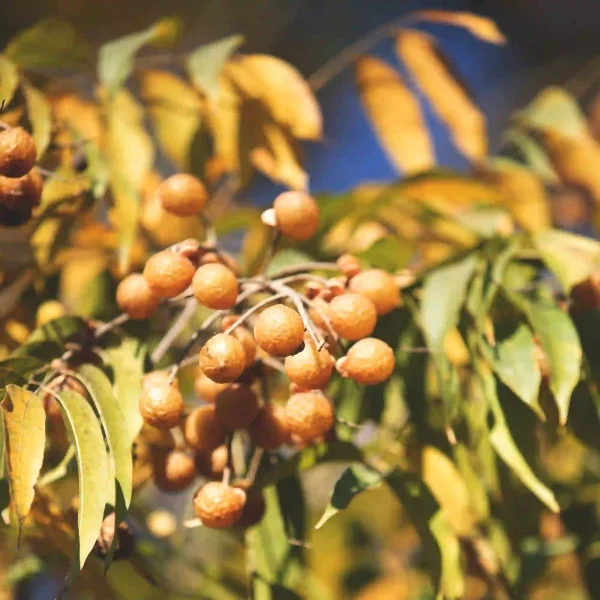
Soapberries Extract
Soapberries extract is a high‑purity natural powerful surfactant extracted from soapberries, offering a sustainable alternative to synthetic detergents. Rich in saponins, it delivers powerful foaming and cleansing action while remaining gentle on skin, fabrics, and the environment.
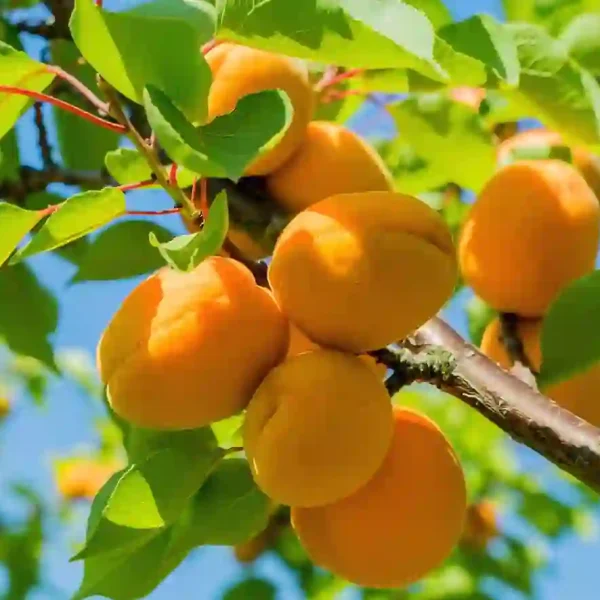
Bitter Apricot Oil
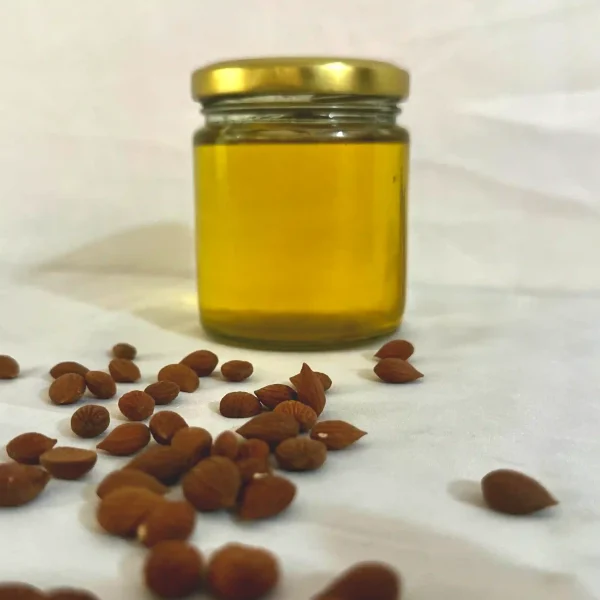
Bitter Apricot Oil is extracted from the kernels of bitter apricots (Prunus armeniaca). It has a light texture and a mild, characteristic aroma, making it a useful ingredient in cosmetic and personal care formulations. Rich in fatty acids, the oil is commonly used in skin and hair care products for its moisturizing and conditioning properties.
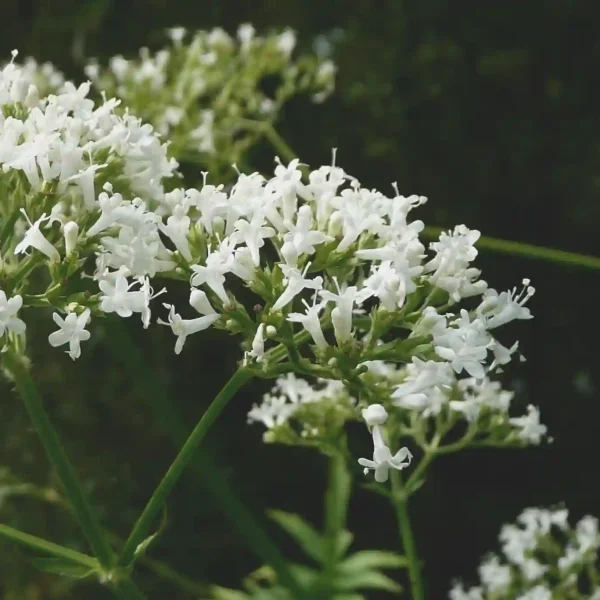
Valerian Essential Oil
Valerian Jatamanshi (Valeriana wallichii) is a perennial herb that usually grows about 30-60 centimetres tall. It has delicate green leaves and aromatic roots and rhizomes. These underground parts are used to produce Valerian Essential Oil, which has a deep, earthy, woody, and slightly musky aroma.


